New Year, New You Sale Ends Fri, Jan 30 | Lowest Tuition! Explore Now >>

Get Up to 50% OFF Sitewide—New Year, New You Sale

LAST CHANCE! OFFER ENDS Fri, Jan 30
00 Days
:
00 Hrs
:
00 Mins
:
00 Secs
Explore Sale circle arrow right

Eligibility Overview

The American Academy of Procedural Medicine (AAOPM) trains licensed healthcare professionals who want to expand their scope of practice into aesthetics, functional medicine, and pain management.

Eligibility to perform specific procedures varies by your professional license type and state regulations. Understanding these requirements is essential before beginning your training journey.

AAOPM has trained over 100,000 healthcare professionals across all 50 states over the past 28 years. Our education advisors can help you understand what training is appropriate for your license and practice goals.

Speak With an Advisor circle arrow right

Eligible Healthcare Professionals

  • Physicians (MD)
  • Physicians (DO)
  • Nurse Practitioners (NP)
  • Physician Assistants (PA)
  • Registered Nurses (RN)
  • Dentists (DDS/DMD)
  • Naturopathic Doctors*
  • *In states with appropriate licensure

Eligibility by Professional Type

Each healthcare profession has different scopes of practice. Here is a detailed breakdown of what each professional type can typically perform.

Physicians (MD/DO)

Medical Doctors and Doctors of Osteopathic Medicine have the broadest scope of practice for procedural training.

Full Scope

Can Train In:

Board certification in any specialty qualifies physicians for AAOPM training. Most states allow full scope of practice without additional supervision requirements.

Nurse Practitioners (NP)

Advanced Practice Registered Nurses with prescriptive authority have extensive training opportunities.

Full Practice States Collaborative States

Can Train In:

Scope varies by state. Full practice states (26 states + DC) allow independent practice. Other states require physician collaboration or supervision.

Physician Assistants (PA)

PAs can perform a wide range of aesthetic and medical procedures with appropriate physician supervision.

Supervision Required

Can Train In:

Most states require supervisory or collaborative agreements with physicians. Recent legislation in some states has expanded PA autonomy.

Registered Nurses (RN)

RNs are valuable members of aesthetic practices and can perform injections under physician supervision.

Physician Supervision

Can Train In:

  • Botox injections (supervised)
  • Dermal filler injections (supervised)
  • Laser treatments (with certification)
  • Patient assessment and care

Ideal for RNs working in medical spas, dermatology practices, or plastic surgery offices. Supervision requirements vary by state.

Dentists (DDS/DMD)

Dentists have extensive facial anatomy knowledge, making them excellent candidates for facial aesthetics.

Facial Procedures

Can Train In:

  • Botox for TMJ and facial aesthetics
  • Dermal fillers for lip and facial enhancement
  • Facial anatomy-focused procedures
  • PRP for dental applications

Many states allow dentists to perform facial aesthetics within their scope. Check state dental board regulations for specific allowances.

Other Professionals

Some additional healthcare professionals may be eligible for specific training programs.

State Dependent

May Include:

  • Naturopathic Doctors: In states with licensure
  • Chiropractors: Limited scope in most states
  • Estheticians: Non-injectable procedures only
  • Medical Students: Observer programs available

Contact AAOPM for guidance on your specific license type and state regulations.

Quick Reference: Who Can Perform What?

This table provides a general overview. Always verify with your state medical board as regulations vary.

Procedure Type MD/DO NP PA RN Dentist
Botox Injections
Dermal Fillers
PDO Thread Lifts
Cosmetic Lasers
PRP Treatments
Hormone Therapy/Pellets
Pain Management (Interventional)
Sclerotherapy
Full scope / Independent
With supervision / State dependent
Not typically allowed

Scope by Training Area

AAOPM offers training in three core areas. Here is who can typically perform procedures in each specialty.

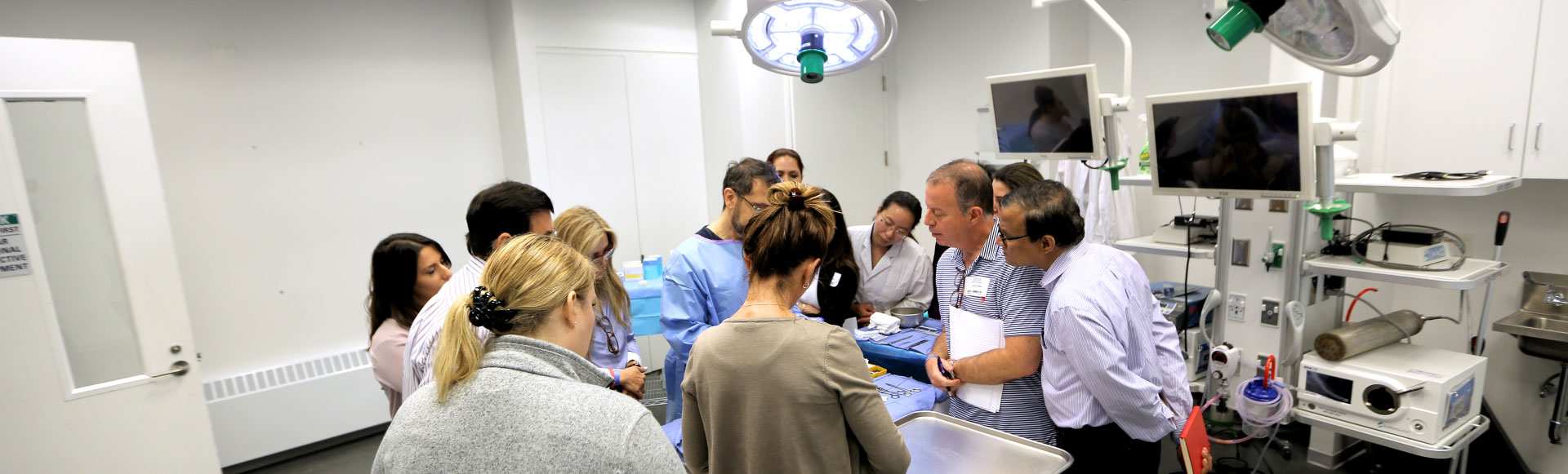
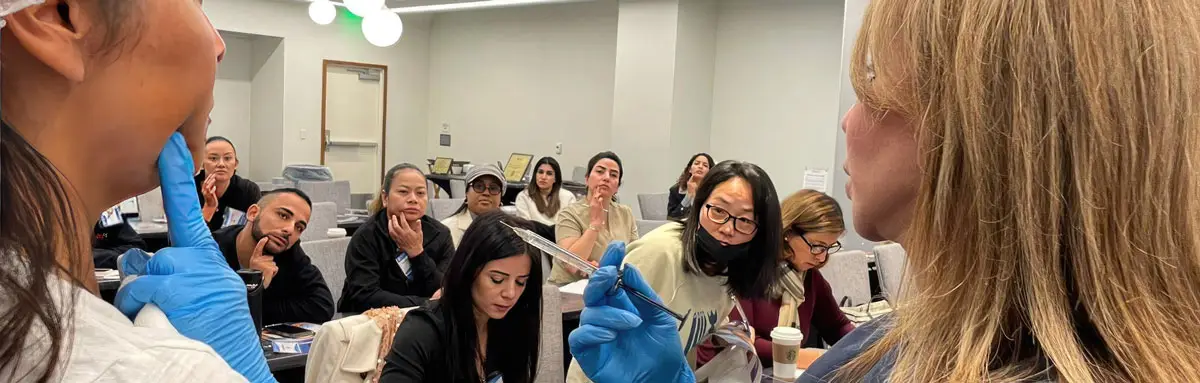
Aesthetics training workshop with hands-on injection techniques

Aesthetics Training

Botox, dermal fillers, PDO threads, lasers, PRP facials, sclerotherapy, and more.

Who Can Inject:

Physicians (MD/DO) • Nurse Practitioners • Physician Assistants • Registered Nurses • Dentists

State regulations significantly impact scope. NP autonomy varies by state practice authority.

View Courses arrow
Functional medicine and anti-aging treatment protocols

Functional Medicine

Hormone therapy, bioidentical hormones, IV nutrition, weight management, anti-aging protocols.

Who Can Prescribe & Administer:

Physicians (MD/DO) • Nurse Practitioners • Physician Assistants • RNs (administration only)

Prescriptive authority required for hormone therapy. Pellet insertion requires specific training.

View Courses arrow
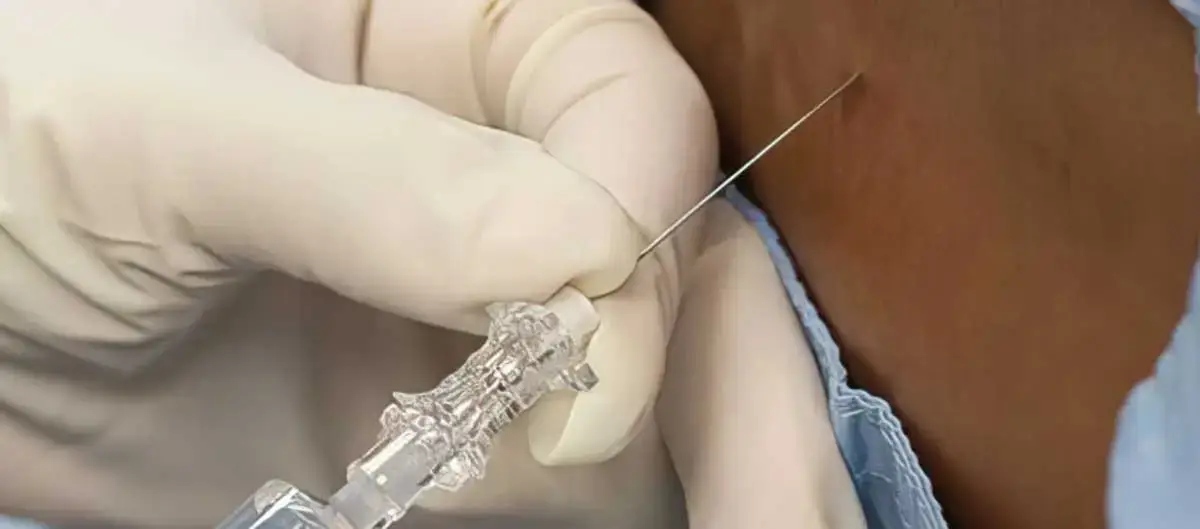
Pain management interventional procedures training

Pain Management

Interventional procedures, joint injections, spinal procedures, ultrasound-guided injections, EMG/NCV.

Who Can Perform:

Physicians (MD/DO) • Nurse Practitioners • Physician Assistants

Hospital credentialing often required. Some procedures require fluoroscopy certification.

View Courses arrow

State-by-State Considerations

Scope of practice regulations vary significantly across the United States. What you can perform in one state may require additional supervision or may not be permitted in another.

For Nurse Practitioners: As of 2024, 26 states plus Washington D.C. allow full practice authority, while others require varying levels of physician collaboration or supervision.

For All Professionals: We strongly recommend verifying specific requirements with your state medical board before beginning practice with new procedures.

AAOPM education advisors can help guide you through understanding your state's regulations and recommend appropriate training pathways.

Call Us: 888.998.1297

Key Resources to Check

  • State Medical Board
    Regulations for MDs, DOs, and supervision requirements
  • State Board of Nursing
    NP practice authority and RN scope of practice
  • State PA Board/Medical Board
    PA supervision requirements and collaborative agreements
  • State Dental Board
    Dentist scope for facial aesthetics procedures
  • Professional Liability Insurer
    Coverage requirements for specific procedures

Prerequisites for AAOPM Training

Before enrolling in AAOPM courses, ensure you meet these requirements.

Active Medical License

You must hold a current, active license in your profession (MD, DO, NP, PA, RN, or DDS/DMD). Licenses must be in good standing with no restrictions that would prevent you from performing procedures.

Course-Specific Prerequisites

Some advanced courses require prior training. For example, PDO Thread Lift training requires documented experience with Botox and dermal fillers. Check individual course requirements before enrolling.

Malpractice Insurance

While not required for course attendance, we recommend securing malpractice insurance that covers aesthetic or pain management procedures before beginning practice. During training, you are covered under AAOPM protocols.

Frequently Asked Questions

Get answers to common questions about eligibility, scope of practice, and training requirements.

Can nurses inject Botox?

Yes, Registered Nurses (RNs) can inject Botox in most states, but typically require physician supervision. The supervising physician must establish protocols, and the level of required oversight varies by state. Some states require the physician to be on-site, while others allow general supervision.

Nurse Practitioners (NPs) have broader authority and can often inject independently, especially in full practice authority states. In reduced or restricted practice states, NPs may need a collaborative agreement with a physician. AAOPM's Botox training course prepares both RNs and NPs for safe, effective injections.

Do I need a medical license to take AAOPM courses?

Yes, AAOPM courses are designed exclusively for licensed healthcare professionals. You must hold an active, valid license as a Physician (MD/DO), Nurse Practitioner (NP), Physician Assistant (PA), Registered Nurse (RN), or Dentist (DDS/DMD). Some states also permit Naturopathic Doctors with appropriate licensure to attend training.

Your license must be in good standing without restrictions that would prevent you from performing the procedures taught in the course. We verify licensure as part of the enrollment process.

Can dentists perform facial aesthetics?

Yes, dentists are excellent candidates for facial aesthetics training. Their extensive education in facial anatomy, comfort with injections, and experience managing patients makes them natural fits for Botox and dermal filler procedures. Many dentists successfully incorporate facial aesthetics into their practices.

Most states allow dentists to perform facial aesthetics procedures, particularly in the lower third of the face where their expertise naturally extends. Botox for TMJ disorders and masseter treatment often falls clearly within dental scope. Check your state dental board for specific guidance on cosmetic procedures.

What supervision is required for RNs performing aesthetic procedures?

RNs typically require physician supervision to perform aesthetic injections. The supervising physician is responsible for evaluating patients, establishing treatment plans, and overseeing the RN's performance. The specific supervision requirements vary by state.

Some states require direct supervision (physician on-site), while others allow general supervision (physician available by phone/communication). RNs should review their state's Nurse Practice Act and any relevant medical board guidance. Many RNs successfully work in medical spas and aesthetic practices under proper supervision arrangements.

Can I practice in any state after completing AAOPM training?

AAOPM training provides nationally recognized certification that is accepted across the United States. However, your ability to practice specific procedures depends on your state's medical board regulations and your professional license type.

Scope of practice varies significantly by state. Before beginning practice in a new state or with new procedures, verify requirements with your state licensing board. AAOPM education advisors can help you understand general requirements, but final determination rests with your state regulatory bodies.

What about estheticians - can they take AAOPM courses?

Licensed estheticians cannot perform injectable procedures like Botox or dermal fillers, as these are medical procedures requiring a medical license. AAOPM courses are specifically designed for licensed medical professionals who have the legal authority to perform injections.

However, estheticians play valuable roles in medical spas and aesthetic practices. They can assist with patient preparation, perform non-injectable treatments (facials, peels, some laser treatments with proper certification), and support the overall patient experience. Understanding injectable procedures can help estheticians better support the medical team.

Are there prerequisites for AAOPM courses?

Most AAOPM foundational courses, such as Botox Training and Dermal Filler Training, require only a valid medical license. These courses are designed for beginners and provide comprehensive education from the ground up.

Some advanced courses have additional prerequisites. For example, PDO Thread Lift training requires documented experience with Botox and dermal fillers because thread procedures build upon injection skills. Advanced Pain Management courses may require completion of foundational pain management training. We recommend speaking with an AAOPM education advisor to determine the best training pathway for your experience level.

Who can perform pain management procedures?

Interventional pain management procedures are typically performed by Physicians (MD/DO). Doctors from various specialties including anesthesiology, physical medicine and rehabilitation, neurology, and primary care can expand into pain management with appropriate training.

Advanced practice providers (NPs and PAs) may also perform certain pain management procedures in some states, typically with physician supervision and appropriate training. Hospital credentialing requirements often influence what procedures can be performed. Some facilities require fellowship training, while outpatient settings may accept CME-based training for certain procedures.

Can Physician Assistants inject Botox independently?

Physician Assistants can perform Botox injections but typically require a supervisory or collaborative agreement with a physician. The level of required supervision varies significantly by state. Recent legislation in some states has moved toward Optimal Team Practice, reducing supervision requirements.

PAs should review their state's PA Practice Act and any specific agreements with their supervising physician. The supervising physician's scope of practice also influences what procedures the PA can perform. Many PAs successfully build aesthetic practices within appropriate supervisory structures.

Do I need malpractice insurance before taking AAOPM courses?

Malpractice insurance is not required to attend AAOPM training courses. During hands-on training, participants work under AAOPM's established protocols and supervision. However, we strongly recommend obtaining malpractice insurance that covers the procedures you plan to perform before beginning practice.

Many professional liability insurers offer policies specifically for aesthetic procedures or can add aesthetic coverage to existing policies. Coverage requirements and costs vary, so we recommend speaking with your insurer or shopping for appropriate coverage before opening your aesthetic practice.

Related Training Programs

Explore our most popular hands-on training courses for healthcare professionals.

Ready to Begin Your Training Journey?

Join over 100,000 healthcare professionals who have trusted AAOPM for their procedural training. Our education advisors can help you find the right courses for your license and goals.

LEGAL

Duplicating, using or copying any portion of this website will subject the offender to significant statutory damages and attorney fees regardless of any citation or attribution of this work.

Copyright 2026 by American Academy of Procedural Medicine

This site uses cookies. By continuing to use this website, you agree to their use.